How to Start a Trucking Company in California: Step-by-Step 2026 Guide
· Trucking Compliance Service
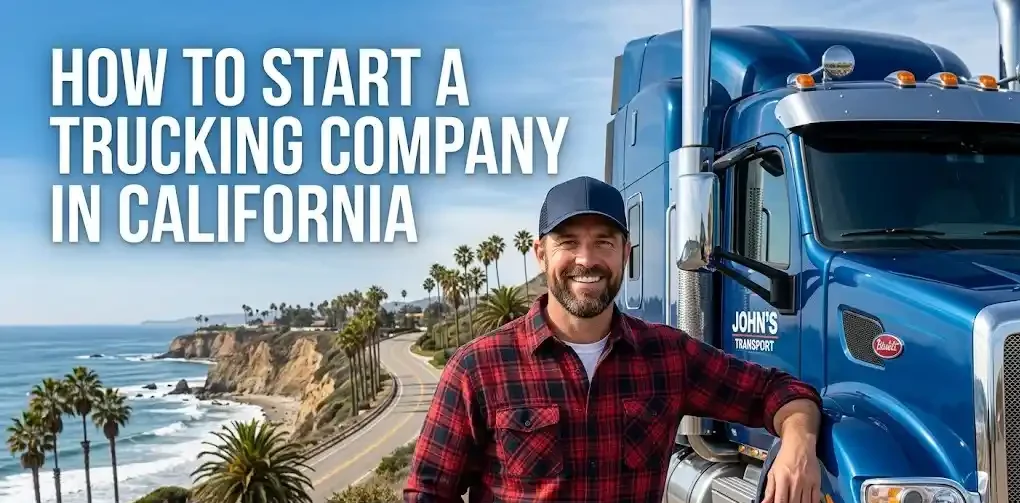
California boasts the largest economy in the United States, home to massive shipping ports, sprawling agricultural hubs, and endless freight opportunities. However, the Golden State is also famous for having the strictest trucking regulations and emissions standards in the entire country.
If you already know how to start a trucking company in the USA, you understand the federal requirements. But setting up shop in California introduces a whole new layer of complex state-specific permits, environmental rules, and highway taxes.
To ensure your new business survives the red tape and thrives on the West Coast, follow this step-by-step 2026 guide on how to start a trucking company in California.
Step 1: Form Your California Business Entity (LLC)
Before applying for any commercial permits, you must officially establish your business. Operating as a sole proprietor in a litigious state like California puts your personal savings at immense risk.
- File with the Secretary of State: Register your trucking company as a Limited Liability Company (LLC) or Corporation to protect your personal assets.
- Get an EIN: Apply for a free Employer Identification Number (EIN) from the IRS to open your business bank accounts and process payroll.
Step 2: Obtain Your USDOT Number and MC Authority
Regardless of which state you are based in, you must meet federal guidelines.
- USDOT Number: This tracks your safety records and is required for all commercial motor vehicles.
- Motor Carrier (MC) Authority: If your California-based fleet plans to cross state lines into Nevada, Oregon, or beyond (interstate commerce), you must pay the $300 FMCSA filing fee to get your MC operating authority.
Step 3: Secure Your CA Number and MCP (Crucial for California)
This is where California deviates from the rest of the country. If you operate within state lines (intrastate), the California Highway Patrol (CHP) and the DMV require specific credentials:
- CA Number: Issued by the CHP, this number is required for any commercial vehicle operating exclusively within California.
- Motor Carrier Permit (MCP): The California DMV issues the MCP as proof that you have met all state requirements, including possessing a CA Number and maintaining active commercial liability insurance. You cannot legally dispatch a load in California without an active MCP.
Step 4: Manage Your IRP, IFTA, and Form 2290
If you plan to run interstate routes starting from California, you need to handle your heavy highway taxes and apportioned plates:
- Form 2290: You must pay the IRS Heavy Vehicle Use Tax.
- IRP & IFTA: Register for the International Registration Plan (IRP) for apportioned license plates, and set up your International Fuel Tax Agreement (IFTA) account to manage your quarterly fuel tax reporting across state lines.
Step 5: Master CARB Compliance (The Clean Truck Check)
The California Air Resources Board (CARB) enforces the strictest diesel emissions laws in the world. Failing to comply will result in DMV registration holds and fines that can easily bankrupt a new carrier.
To legally operate, your trucks must be registered in the Clean Truck Check program. You are required to submit passing emissions tests (OBD or smoke opacity tests) twice a year.
Step 6: Commercial Insurance and CDL Protection
California is known for high commercial insurance premiums. To get your MCP and MC Authority active, you must have primary liability insurance on file.
Launch Your California Fleet with Trucking Compliance Services
At Trucking Compliance Service, we are experts in California carrier setups.
We handle everything from start to finish:
- LLC Formation and EIN setups
- USDOT, MC Authority, and CA Number filings
- California Motor Carrier Permit (MCP) processing
- CARB Clean Truck Check registration
- IRP, IFTA, and UCR setups
Stop stressing over state regulations. Start your California trucking business today!
Call: 916-866-2838
Website: truckingcomplianceservice.com
Need help? Call 888-700-5704 or contact us.