How to Pass the New Entrant Safety Audit (Step-by-Step Guide)
· Trucking Compliance Service
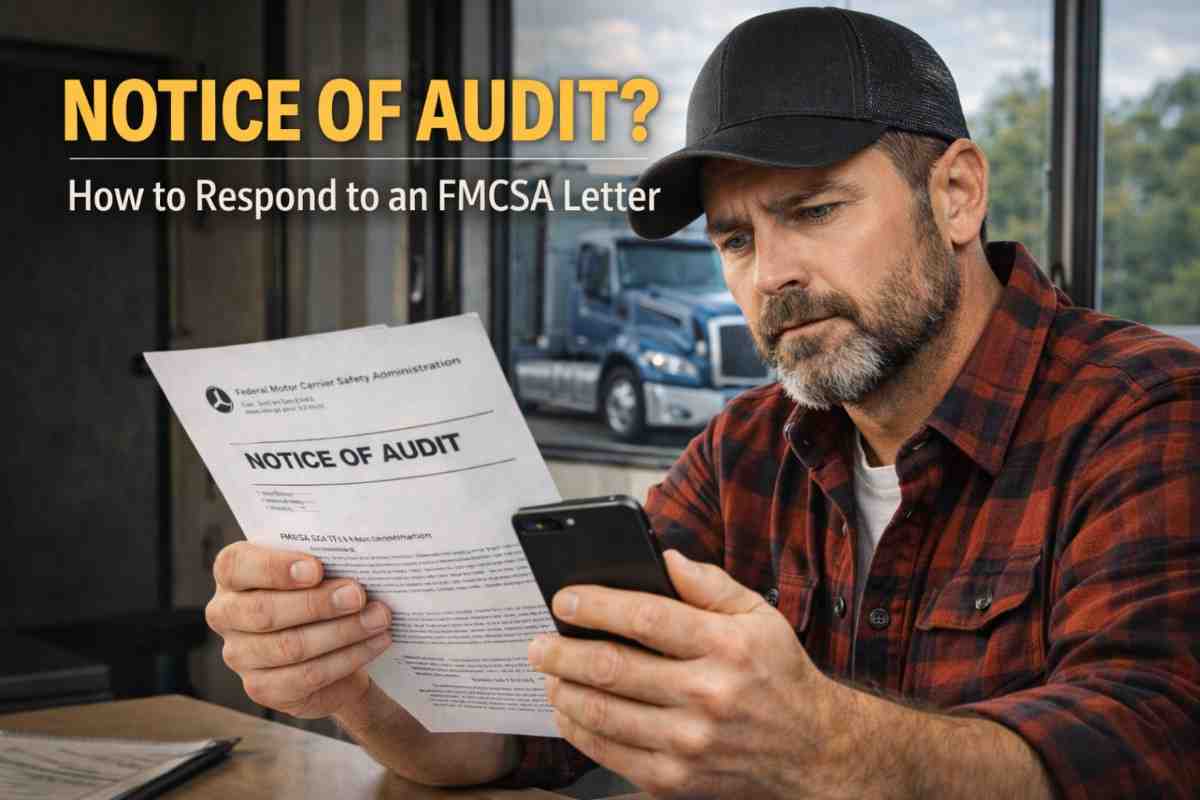
Congratulations! You have figured out how to start a trucking company in the USA, your USDOT number is active, and you are finally hauling freight. But before you get too comfortable, you need to prepare for the biggest administrative hurdle of your first year: the New Entrant Safety Audit. The Federal Motor Carrier Safety Administration (FMCSA) requires every new motor carrier to pass this audit within 12 months of receiving operating authority. Failing it can result in an immediate shutdown of your business. In this step-by-step guide, we will explain exactly what the New Entrant Safety Audit is, what auditors look for, and how to pass it on the first try.
What Is the New Entrant Safety Audit?
The New Entrant Safety Audit is a mandatory federal review conducted by FMCSA-certified auditors. Its purpose is to verify that your new trucking company has the basic safety management systems in place to operate legally and safely on public roads. The audit is not designed to trick you. It is designed to confirm you understand and are following federal safety regulations. However, if you are missing required documents or have not implemented proper safety practices, the auditor will fail you, which can trigger a more intensive compliance review or an out-of-service order.
Step 1: Understand What Auditors Actually Check
FMCSA auditors review six core safety management areas during the New Entrant Safety Audit. You must have documentation and procedures in place for every single one of them.
- Driver Qualification Files: Every driver must have a complete qualification file including a valid CDL, a current medical certificate, an MVR (Motor Vehicle Record) pulled within the past year, a road test certificate or equivalent, and a signed employment application.
- Hours of Service (HOS) Compliance: You must maintain ELD (Electronic Logging Device) records or paper logs for every driver for the past 6 months. Auditors will look for violations of the 11-hour driving limit, the 14-hour on-duty window, and the 30-minute rest break rule.
- Drug and Alcohol Testing Program: You must be enrolled in a DOT-compliant drug and alcohol testing consortium. You need pre-employment test results on file for every driver, and your random testing pool must be active.
- Vehicle Maintenance Records: You must have a systematic inspection, repair, and maintenance program. This includes pre-trip and post-trip inspection reports (DVIRs) and records of all repairs made in response to defects.
- Accident Register: You must maintain a register of all accidents involving your vehicles for the past 3 years, including accidents that occurred before your company was formed if the driver was operating a CMV.
- Hazardous Materials Compliance (if applicable): If you haul HazMat, you need additional documentation including HazMat training records and shipping papers.
Step 2: Build Your Driver Qualification Files First
Driver Qualification (DQ) files are the number one reason new carriers fail their safety audit. You must have a complete, organized file for every single driver operating under your authority. Start building these files from the moment you hire a driver. Do not wait until you receive your audit notice.
Step 3: Set Up Your ELD and Hours of Service System
Since the ELD mandate took full effect, paper logs are only allowed in very limited exemption cases. You must have a registered ELD provider and ensure every applicable driver is using the device correctly. If you have been operating without an ELD, correct this immediately. Auditors will pull your driver’s ELD data and check it against fuel receipts, toll records, and load delivery times to spot log falsification.
Step 4: Join a DOT Drug and Alcohol Consortium
You cannot legally dispatch a driver without a negative pre-employment drug test result on file. You also must be enrolled in a random testing program. If you are a single-driver owner-operator, you must join a consortium that manages your random pool. Keep all testing records organized and accessible for the auditor.
Step 5: Implement a Vehicle Maintenance Program
Your trucks must pass annual DOT inspections, but your maintenance obligations do not stop there. You must conduct pre-trip and post-trip inspections before and after every single run. Drivers must complete a Driver Vehicle Inspection Report (DVIR) for each trip. If a defect is noted, you must document the repair before the truck is dispatched again.
Get Expert Help Before Your Audit
The New Entrant Safety Audit is not something you want to walk into unprepared. At Trucking Compliance Service, we help new carriers build every system they need to pass the audit on the first try.
Call: 916-866-2838
Website: truckingcomplianceservice.com
Need help? Call 888-700-5704 or contact us.