English Language Proficiency Enforcement in 2026: What Every Owner-Operator Must Know
· Trucking Compliance Service
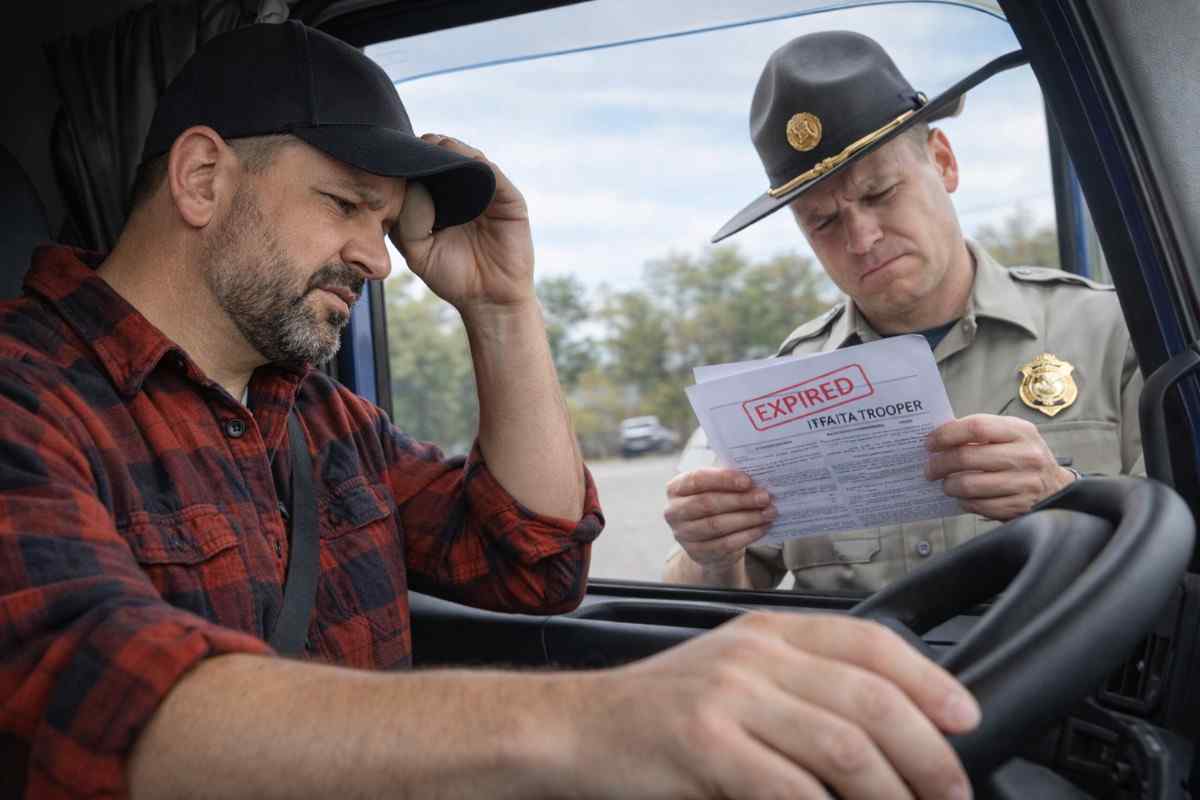
For most of trucking’s history, the federal English Language Proficiency (ELP) rule sat quietly in the regulations and rarely cost anyone a load. That changed. Since mid-2025, failing an English check during a roadside inspection can put a driver — and the truck — out of service on the spot. In 2026, the requirement has been written into federal law and printed into the official inspection criteria, so it is not going away. If you are an owner-operator or run a small fleet, here is exactly what the rule says, how the roadside check works, and how to make sure it never sidelines you or a driver you depend on.
What the English Language Proficiency Rule Actually Requires
The ELP standard lives in 49 CFR 391.11(b)(2). It says a driver who operates a commercial motor vehicle must be able to read and speak English well enough to do four things: converse with the public, understand highway traffic signs and signals, respond to official inquiries, and make entries on reports and records. This is not a new rule — it has existed for decades. What changed is enforcement. After a 2025 federal order directing inspectors to enforce it, FMCSA began treating an ELP failure as an out-of-service violation rather than a paperwork note.
The numbers show how real this is: FMCSA recorded more than 12,000 ELP out-of-service violations in just the second half of 2025. Enforcement has been in full effect nationwide since June 25, 2025.
How the Roadside ELP Check Works
FMCSA’s guidance lays out a straightforward two-step assessment that an inspector can run during any roadside stop or inspection. The whole interaction must be conducted in English — drivers cannot use an interpreter, a phone translation app, cue cards, or hand gestures to get through it.
- Step 1 — The interview. The officer asks the driver basic questions in English (about the trip, the load, documents) and judges whether the driver understands and can respond.
- Step 2 — Traffic signs. The officer shows U.S. highway signs, including electronic message boards, and asks the driver to identify and explain what they mean.
- The result. A driver who cannot complete both steps can be placed out of service, stopping the truck until the carrier resolves it.
- Border-zone exception. In the designated commercial zones along the U.S.–Mexico border (roughly 3 to 20 miles deep), inspectors cite the violation but do not place the driver out of service.
Why 2026 Raised the Stakes
Two developments turned ELP from a temporary enforcement push into a permanent fixture. First, the Consolidated Appropriations Act of 2026 directed FMCSA to update its regulations so that non-compliance with the English standard triggers an out-of-service order — putting the consequence in federal statute, not just agency guidance. Second, the April 1, 2026 edition of the Commercial Vehicle Safety Alliance (CVSA) Out-of-Service Criteria now lists ELP violations in print. That criteria book is what every inspector in the country works from, which means the standard is now applied uniformly from coast to coast.
For a small carrier, an out-of-service order is more than a delayed load. It shows up on your inspection record, it can feed into your CSA Unsafe Driving and other BASIC scores, and a roadside OOS event is exactly the kind of red flag that brokers and shippers screen for before handing you freight.
How Owner-Operators Can Stay Road-Ready
The good news is that this is one of the most controllable compliance risks out there. A few practical habits keep you and your drivers on the safe side:
- Practice the basics out loud. Be ready to answer simple trip and cargo questions in English without an app — where you started, what you are hauling, where you are headed.
- Know your signs. Review standard U.S. regulatory, warning, and guide signs, plus electronic message boards, so identifying them is automatic.
- Screen drivers before you hire. If you run a small fleet, confirm ELP comfort during the qualification process, not after a driver is stranded at a scale house.
- Keep documents clean and in English. Logs, the bill of lading, and registration that you can explain in English make the interview portion go smoothly.
- Stay calm and cooperative. Most assessments are short. Clear, confident answers are usually all it takes.
The Bottom Line
English Language Proficiency is now a permanent, nationwide inspection standard with out-of-service teeth behind it. Owner-operators who prepare for the two-step check — and small fleets that screen for it up front — have nothing to fear from it. The carriers that get caught off guard are the ones losing trucks and loads at the roadside. A little preparation protects your authority, your CSA scores, and your income.
Staying compliant with shifting FMCSA rules is a full-time job on top of driving. That is where we come in. Trucking Compliance Service helps owner-operators and small fleets keep their authority active, their files audit-ready, and their CSA scores protected — so you can focus on the road. Start your onboarding today and let our team handle the paperwork. Worried about your license specifically? Learn how our CDL protection service keeps you driving.
Need help? Call 888-700-5704 or contact us.